

The OCD Cycle Test

The 4 Stage of OCD

Types of OCD Test

The Stuck Test

Compulsion Results

The Tricks of OCD Test

Results Hierarchy
Your OCD Recovery Profile
The OCD Cycle Test
Extreme Indication of OCD
You scored a 33 out of 40
Your answers to THE OCD TEST suggest an Extreme Indication of OCD symptoms.



Recommendations
The OCD Cycle – begins with a trigger — a thought, image, feeling, or sensation that shows up automatically and often out of nowhere. That trigger sparks anxiety, guilt, or discomfort. In response to that distress, the brain urges a compulsion — something you do physically or mentally to feel safer, more certain, or more in control. The compulsion may bring temporary relief, but it teaches the brain that the threat was real and that you needed the ritual to survive it. That relief reinforces the cycle, making the next intrusive thought feel even more urgent and believable.
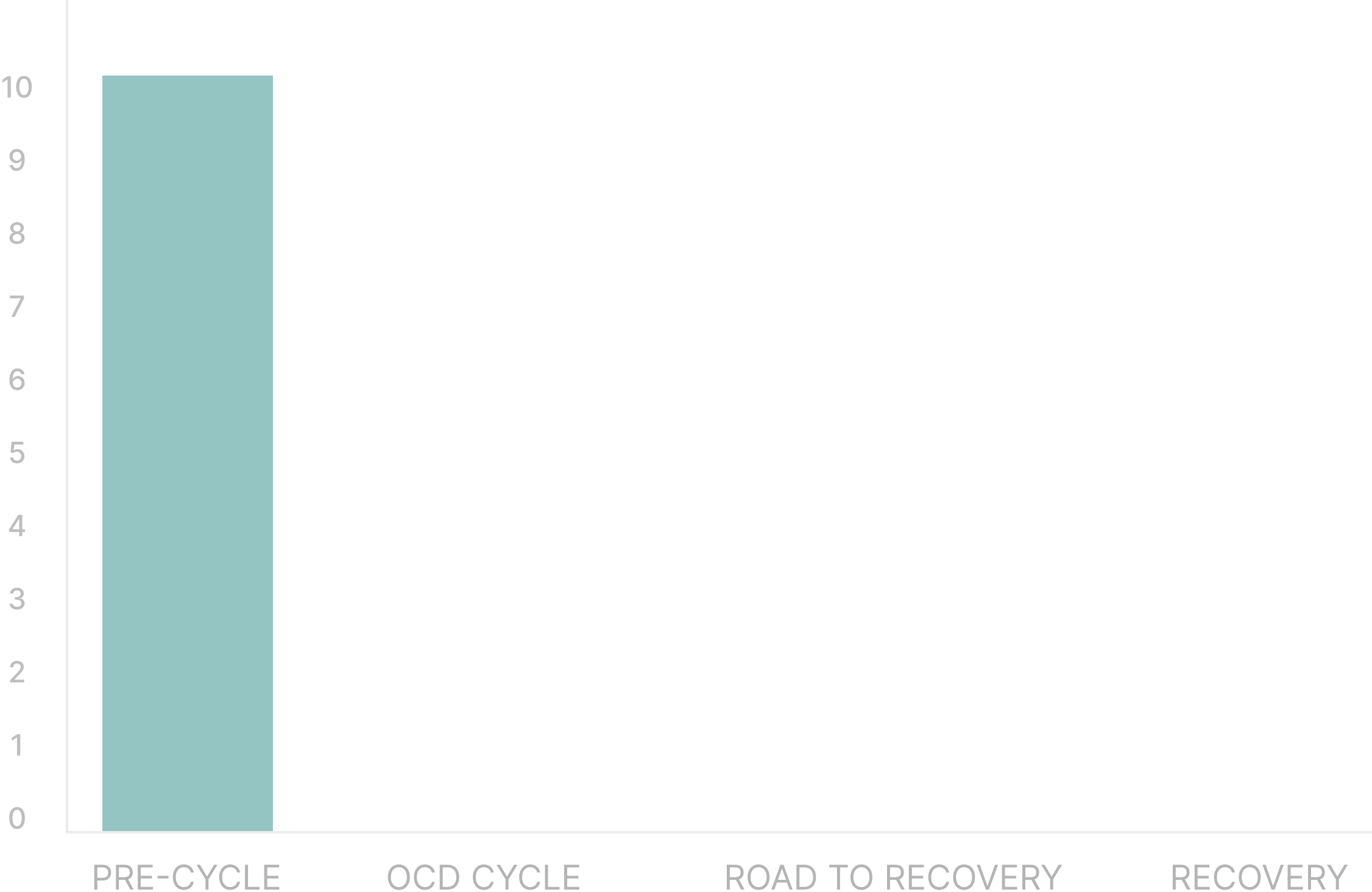
The 4 Stage of OCD
Recommendations
Pre-Cycle – If you scored within this section, it could mean a few different things. The first is that you do not have OCD and you may not ever have to fear having OCD. One way to verify this is by checking to see if you have ever been in an OCD cycle in your life.
Types of OCD Test
Recommendations
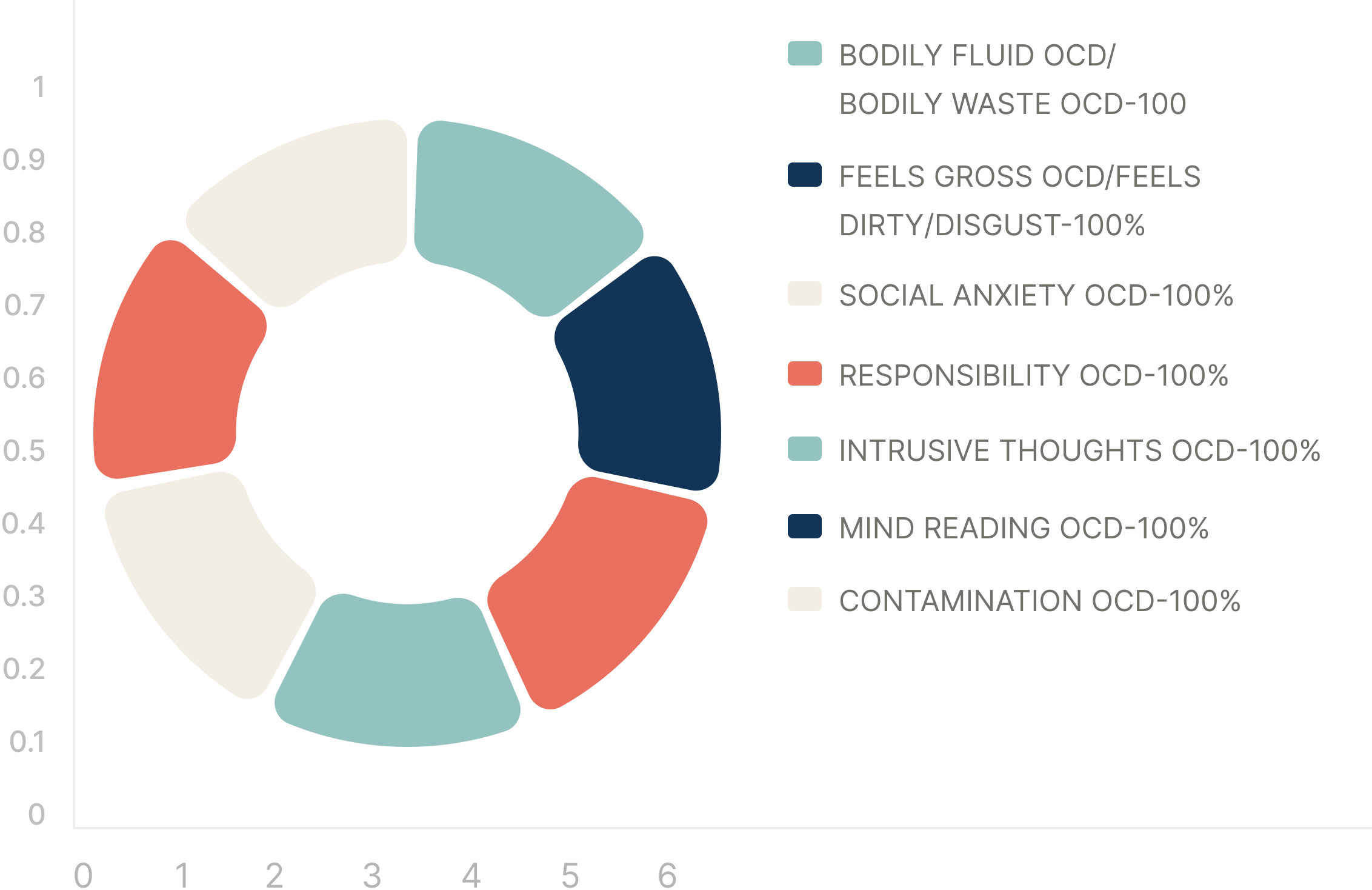
OCD is not defined by the specific content of the thoughts — it’s defined by the cycle. While people often group OCD into “types” like contamination, harm, sexual, religious (scrupulosity), relationship, health, or perfectionism themes, these are simply different costumes the same disorder wears. The content changes, but the pattern remains: intrusive doubt, emotional distress, and compulsive attempts to gain certainty or relief.
The Stuck Test
Recommendations
Compulsion Results
Recommendations
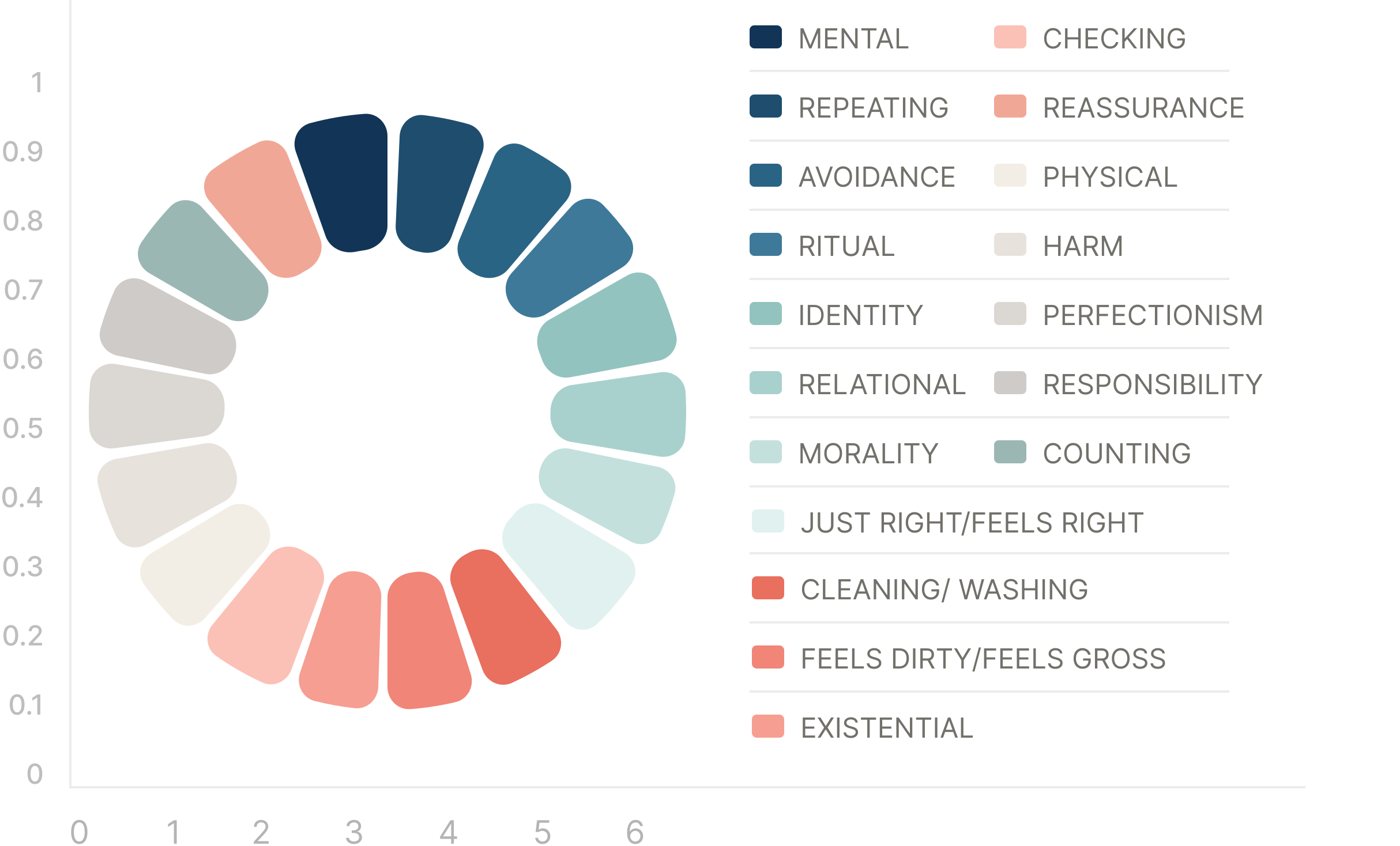
Compulsions are anything you do — physically or mentally — to reduce anxiety, gain certainty, prevent something bad from happening, or feel “just right.” They can look obvious, like washing, checking, avoiding, or asking for reassurance. But they can also be subtle and invisible: replaying conversations, analyzing feelings, researching symptoms, mentally reviewing memories, comparing, confessing, praying for relief, or trying to force clarity. Over time, these behaviors form compulsive patterns — automatic loops your brain runs whenever uncertainty shows up.
The Tricks of OCD Test
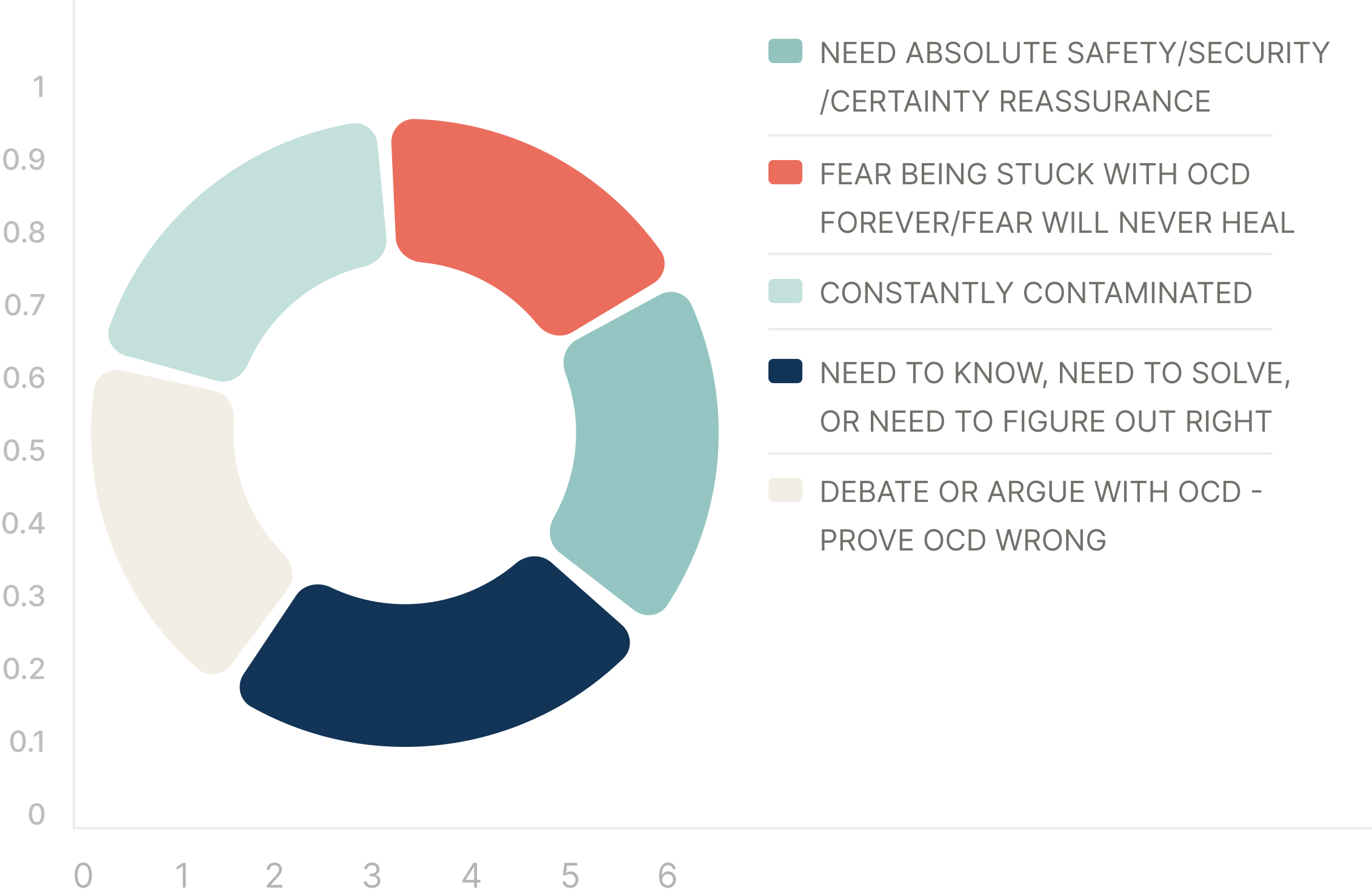
Recommendations
Results Hierarchy
About
Results Hierarchy – An OCD hierarchy is a structured roadmap for facing fears gradually instead of all at once. It’s a ranked list of triggers, situations, thoughts, or exposures that create anxiety, organized from least distressing to most distressing. Rather than throwing someone into the deepest fear immediately, the hierarchy allows them to build tolerance step by step. Each level becomes a training ground for practicing new responses — acknowledging the thought, allowing the discomfort, and resisting compulsions. As a person moves up the hierarchy, they aren’t just “surviving” anxiety; they are rewiring their relationship to uncertainty. The hierarchy turns recovery into a series of intentional reps, strengthening confidence, reducing avoidance, and proving to the brain that anxiety can rise and fall without rituals. It transforms fear from something to escape into something to lean into — strategically and courageously.